
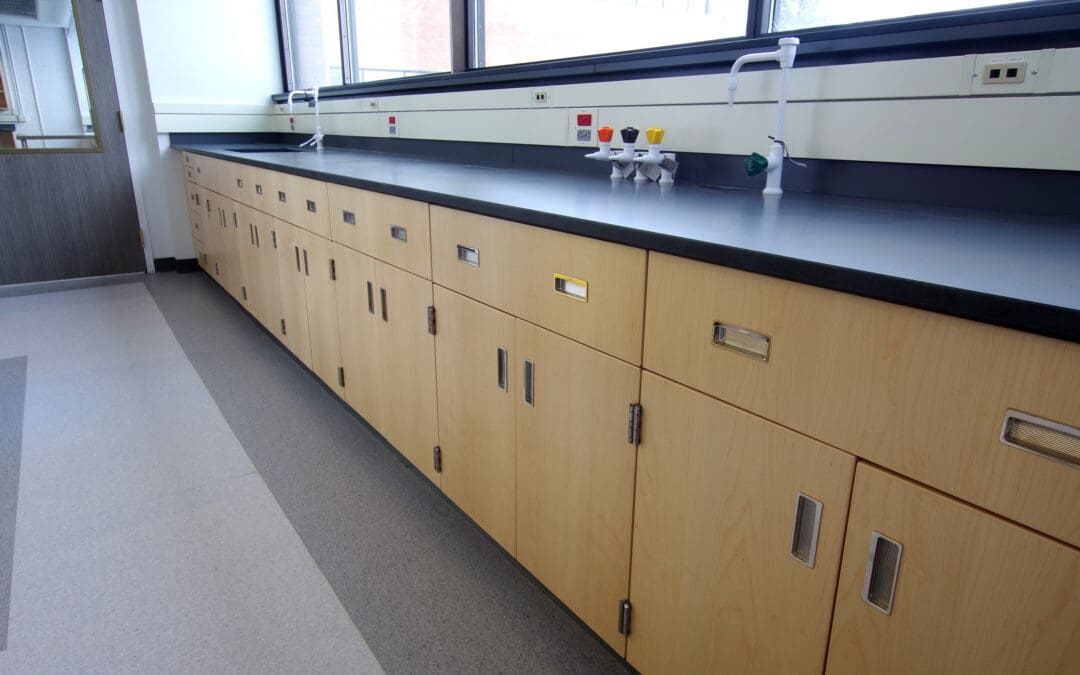
When planning a new laboratory, selecting the right casework material is one of the most important decisions you will make. Laboratory casework serves as the foundation of the workspace, supporting equipment, storing supplies, and helping laboratories operate safely and efficiently for years to come.
With several material options available, many project teams ask the same question: Which laboratory casework solution is the best fit for our facility?
The answer depends on the type of work being performed, the environment, maintenance requirements, and long-term project goals. Understanding the strengths of each material can help architects, facility managers, consultants, and end users make informed decisions during the planning process.
Why Laboratory Casework Matters
Laboratory casework is much more than cabinetry. It is a critical component of the laboratory infrastructure that supports daily operations, workflow efficiency, safety, and future adaptability.
The right laboratory casework solution can improve durability, simplify maintenance, support compliance requirements, and help maximize the lifespan of a laboratory investment. The wrong choice can create challenges that affect performance and increase long-term costs.
Whether designing a university science building, healthcare laboratory, pharmaceutical facility, or industrial testing space, selecting the appropriate material should be part of the early planning process.
Lab-Grade Finishes and Performance Standards
In many laboratory environments, the base material alone does not determine performance. Both metal and wood laboratory casework rely on specialized finishes to meet lab-grade standards. Metal casework is typically finished with a chemical-resistant powder coating applied through a controlled electrostatic process, while wood laboratory casework is treated with durable, sealed coatings designed to resist moisture and chemical exposure. These finishes are essential in achieving compliance with recognized laboratory standards such as SEFA performance requirements, ensuring the casework performs reliably under daily laboratory conditions.
Metal Laboratory Casework
Metal laboratory casework remains one of the most widely specified options for research, healthcare, educational, and industrial laboratories.
Typically constructed from welded steel and finished with a chemical-resistant powder coating, metal casework is known for its durability and long service life. Many modern systems are designed with interchangeable components, allowing laboratories to adapt storage configurations as needs evolve.
Metal laboratory casework is often chosen because it offers excellent structural strength, resistance to daily wear, and flexibility for future reconfiguration. It performs particularly well in high-use environments where durability is a top priority.
Many facilities also appreciate the ability to relocate and reinstall metal cabinetry during renovations or expansions, helping extend the value of the original investment.
Wood Laboratory Casework
Wood laboratory casework continues to be a popular choice in educational, healthcare, and administrative laboratory settings where aesthetics are an important consideration.
Modern laboratory wood casework is designed specifically for scientific environments and features durable finishes that help resist moisture, chemicals, and everyday wear. High-quality veneer systems can create a warm, professional appearance while still delivering the performance expected in a laboratory setting.
Wood casework is often selected for teaching laboratories, collaborative research spaces, and facilities where creating a welcoming environment is part of the overall design strategy.
When properly specified and maintained, wood laboratory casework can provide both functionality and visual appeal for many years.
Phenolic Casework
Phenolic casework has become increasingly popular in laboratories that require strong moisture resistance and dependable performance under demanding conditions.
Manufactured from layers of resin-impregnated material compressed under heat and pressure, phenolic cabinets feature a solid, non-porous core that is highly resistant to moisture and everyday chemical exposure.
Phenolic casework is commonly specified for controlled environments where enhanced cleaning protocols are required. This includes clinical laboratories, clean rooms, pharmaceutical facilities, analytical testing environments, and select containment applications such as CL3 (biosafety level 3) laboratory environments.
Because phenolic surfaces are non-porous and easy to disinfect, they are often used in targeted high-performance zones such as wash areas, decontamination spaces, and other high-exposure work zones rather than across entire facilities due to their higher material cost.
Many project teams view phenolic casework as an excellent balance between durability, hygiene performance, and long-term value.
Stainless Steel Laboratory Cabinets
When hygiene, sterilization, and contamination control are top priorities, stainless steel laboratory casework are often the preferred solution.
Stainless steel offers exceptional resistance to moisture, corrosion, and aggressive cleaning agents. Its smooth, non-porous surface makes it easy to sanitize, which is why it is frequently specified in pharmaceutical facilities, biotechnology laboratories, healthcare environments, and food testing laboratories.
Stainless steel laboratory cabinets are particularly well suited for environments with strict cleaning protocols, frequent washdowns, or high humidity exposure. They are also commonly used in controlled containment environments, including CL3 laboratory applications, where decontamination and infection control requirements are critical.
In many cases, stainless steel is selected for the same high-performance applications as phenolic casework, particularly in areas requiring maximum cleanability and chemical resistance.
While stainless steel can represent a higher upfront investment, many facilities find its durability and hygiene performance make it a strong long-term solution.
Choosing the Right Laboratory Casework Solution
Rather than asking which material is best, it is often more useful to ask which material is best for the specific application.
A university teaching laboratory may benefit from the flexibility and durability of metal laboratory casework. A pharmaceutical cleanroom may require stainless steel laboratory cabinets. A clinical testing facility may find phenolic casework to be an ideal solution for high-cleanability zones and containment areas. A collaborative research environment may prioritize the appearance and warmth of wood laboratory casework.
The most successful laboratory projects begin by evaluating how the space will be used today and how it may need to evolve in the future.
Factors such as chemical exposure, moisture levels, cleaning protocols, workflow, budget, and adaptability should all be considered before making a final decision.
Planning for Long-Term Performance
Laboratory infrastructure is a long-term investment. The casework selected today will impact daily operations, maintenance requirements, and future renovations for years to come.
Working with experienced laboratory planning professionals can help ensure the chosen solution aligns with both immediate needs and long-term objectives. By considering material performance alongside workflow and operational goals, project teams can create laboratories that remain efficient, functional, and adaptable well into the future.
Final Thoughts
There is no one-size-fits-all answer when it comes to laboratory casework solutions. Metal laboratory casework, wood laboratory casework, phenolic casework, and stainless steel laboratory cabinets each offer unique advantages depending on the environment and application.
Understanding the strengths of each material allows project teams to make informed decisions that support safety, durability, functionality, and long-term value. By selecting the right casework solution from the start, laboratories can create a stronger foundation for scientific discovery, education, healthcare, and innovation.
If powder-coated steel is on your shortlist, our durable painted metal lab casework page goes deeper on construction, finishes and technical specifications.