
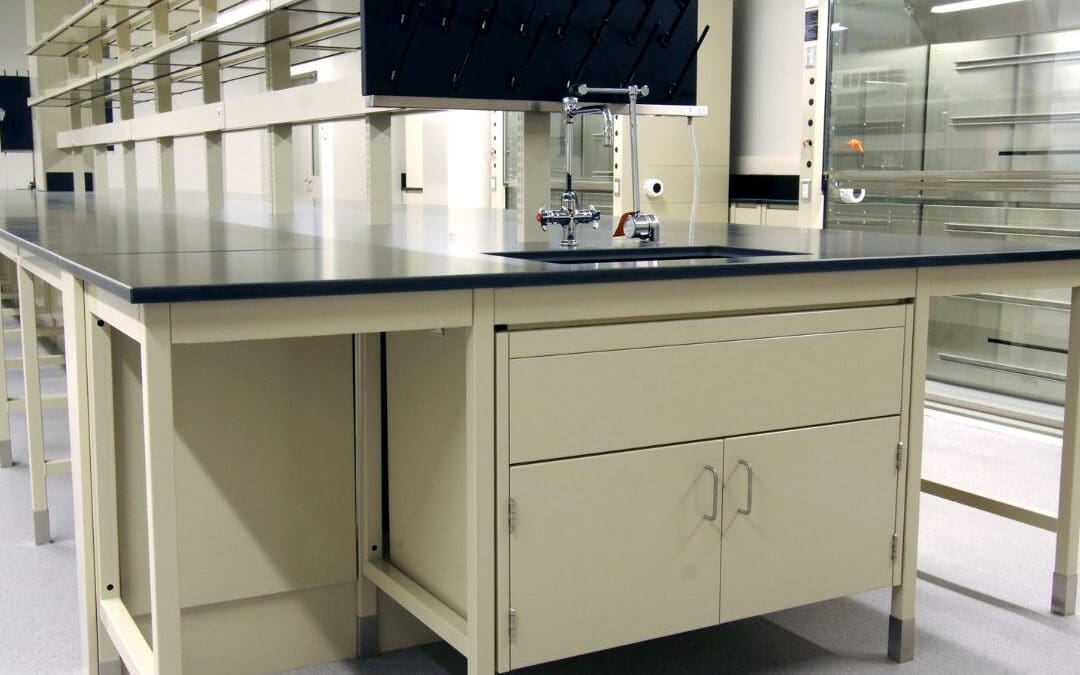
Laboratories place unique demands on furniture and infrastructure. Work surfaces must tolerate chemical exposure, cabinetry must support heavy equipment, and storage systems must withstand years of daily use. In environments where durability, hygiene, and structural integrity matter, painted metal laboratory casework continues to be one of the most trusted solutions.
Across research institutions, healthcare facilities, universities, and industrial laboratories, steel cabinetry is widely specified because it delivers long service life and reliable performance. When properly manufactured and finished, painted metal casework supports both the technical requirements and operational efficiency that modern laboratories require.
Why Painted Metal Casework Is Widely Used in Laboratories
Laboratory furniture is exposed to far more demanding conditions than standard commercial cabinetry. Cabinets must handle frequent cleaning, chemical exposure, and the weight of analytical instruments and equipment.
Painted metal casework is engineered to meet these challenges through heavy-gauge steel construction and durable protective finishes. Powder-coated steel cabinets offer a non-porous surface that helps maintain clean laboratory environments and supports standard sanitation procedures.
Because the material is structurally rigid, metal cabinets are also well suited for supporting benchtop instrumentation and equipment that can place significant load on laboratory furniture.
The durability of painted steel cabinetry is one reason it continues to be widely specified in environments where reliability and longevity are critical.
Engineered for Long-Term Performance
Modern painted metal laboratory cabinets are manufactured using cold rolled steel and precision fabrication processes that create rigid, stable structures. All welded construction increases cabinet strength and helps ensure long-term structural integrity.
To protect the steel surface, cabinets typically undergo a multi-stage pretreatment process before being coated with a chemical resistant epoxy powder finish. Once applied, the coating is cured at high temperature to create a durable surface that resists many common laboratory chemicals, including acids, bases, and solvents.
This finishing process also allows laboratories to specify cabinetry in a range of colours that can align with institutional standards, facility design guidelines, or branding requirements.
When manufactured to recognized industry standards such as SEFA 8, painted metal casework is tested for load capacity, finish performance, and resistance to impact. These standards help ensure that cabinets perform consistently in demanding laboratory environments.
Supporting Clean and Organized Lab Environments
Maintaining a clean and organized laboratory environment is essential for both safety and efficiency. Painted metal cabinetry supports this goal by providing smooth, non-porous surfaces that do not absorb moisture and are easy to clean as part of routine laboratory maintenance.
Cabinet doors and drawer fronts typically include internal insulation that helps reduce the noise often associated with metal cabinetry during daily use. This simple design feature helps create a quieter working environment without adding unnecessary mechanical complexity.
Combined with adjustable shelving and durable drawer systems, painted metal casework provides flexible storage solutions that support the organization of chemicals, glassware, equipment, and laboratory supplies.
Where Painted Metal Laboratory Casework Is Commonly Used
Painted steel laboratory cabinetry is specified across a wide range of industries and facility types because of its durability and chemical resistance.
In pharmaceutical and biotechnology laboratories, steel cabinets help support controlled environments where frequent cleaning and strict protocols are part of daily operations.
Educational laboratories in high schools, colleges, and universities benefit from the durability of metal cabinetry, particularly in environments where furniture must withstand years of student use.
Healthcare laboratories often rely on steel casework for pathology labs, pharmacy preparation areas, and sterile processing spaces where durability and hygiene are essential.
Industrial research and development facilities also frequently specify painted metal casework for testing environments where materials, chemicals, and heavy equipment are part of routine workflows.
Choosing the Right Laboratory Casework
Selecting laboratory casework involves more than choosing a cabinet style. It requires careful consideration of the laboratory’s workflow, equipment requirements, and long-term operational needs.
Factors such as chemical exposure, equipment load, available space, and facility standards all play a role in determining the right casework solution for a project.
Working with experienced laboratory specialists early in the planning process helps ensure that cabinetry integrates properly with ventilation systems, laboratory equipment, and overall space design.
Built for the Rigors of Science
Painted metal laboratory casework has remained a trusted solution for decades because it delivers durability, structural strength, and reliable performance in demanding environments. When manufactured to recognized standards and installed correctly, steel cabinetry becomes a long-term part of the laboratory infrastructure.
For organizations building or renovating laboratory spaces, investing in high-quality casework helps ensure that the lab environment can support research, education, and innovation for years to come.