
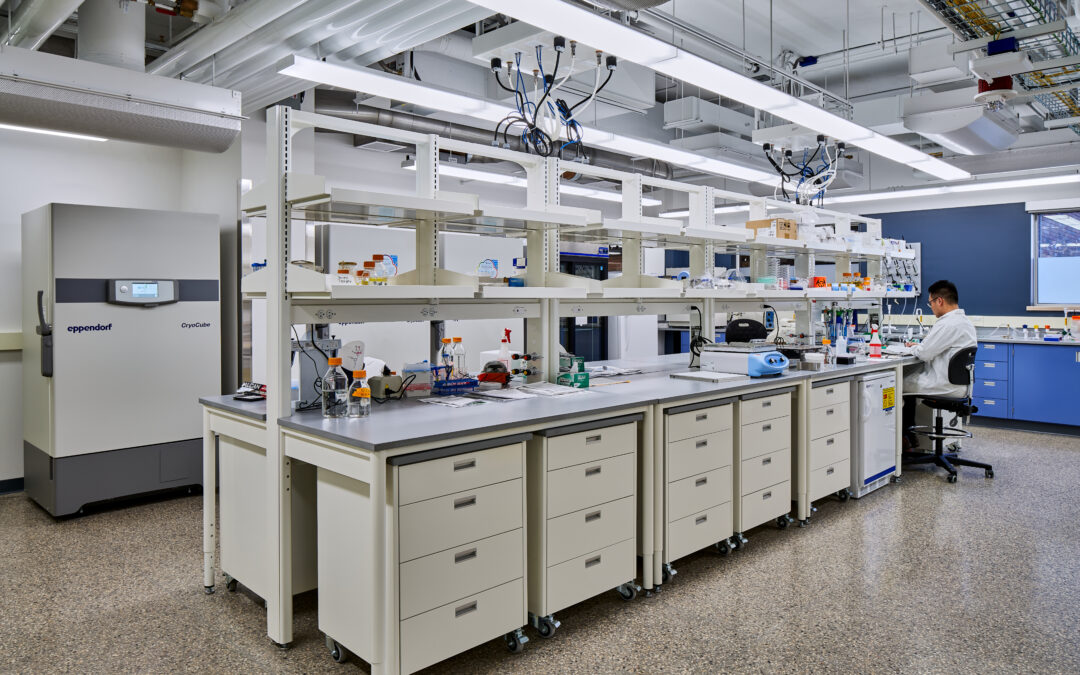
When planning a new laboratory or renovating an existing facility, selecting the right furniture is about more than aesthetics or layout. Laboratory cabinets, workstations, and adaptable furniture systems must meet strict performance requirements to ensure durability, safety, and long-term reliability.
This is where SEFA standards come into play.
The Scientific Equipment and Furniture Association, commonly known as SEFA, establishes performance standards for laboratory furniture used in research facilities, universities, healthcare laboratories, and industrial testing environments. These standards help architects, laboratory planners, and facility managers ensure that the furniture they specify can withstand the demands of real laboratory use.
Understanding SEFA standards is an important step in choosing laboratory infrastructure that will perform reliably for years.
Understanding the Role of SEFA
SEFA is an international organization that represents manufacturers and professionals involved in laboratory furniture and equipment. One of its primary roles is to develop standardized testing and performance benchmarks for laboratory casework, adaptable furniture systems, and other laboratory infrastructure.
These standards evaluate how laboratory furniture performs under real-world conditions such as chemical exposure, heavy loads, impact, and frequent daily use. By establishing clear testing criteria, SEFA helps ensure consistency and quality across laboratory furniture manufacturers.
For architects and laboratory planners, specifying furniture that meets SEFA standards provides confidence that the products will meet industry expectations for durability, safety, and performance.
SEFA 8: The Standard for Laboratory Casework
One of the most widely referenced SEFA standards is SEFA 8, which applies to laboratory casework.
SEFA 8 establishes testing requirements that measure how cabinets perform under a variety of conditions, including load capacity, impact resistance, finish durability, and exposure to chemicals commonly used in laboratory environments. Cabinets that meet this standard have demonstrated that they can maintain structural integrity and finish performance under demanding conditions.
For facilities investing in long-term laboratory infrastructure, SEFA 8 compliance provides reassurance that cabinetry has been evaluated against recognized industry benchmarks.
Alliance Scientific’s laboratory casework systems, including welded metal cabinet solutions such as Forte Inset and Forte Overlay, are manufactured to meet or exceed SEFA 8 laboratory casework standards. These systems are designed to provide long-term durability while supporting flexible laboratory layouts that can evolve as storage and equipment needs change.
By specifying SEFA 8 compliant casework, laboratories reduce the risk of premature cabinet failure, finish deterioration, or structural issues that could disrupt operations.
SEFA 10: Standards for Adaptable Laboratory Furniture
As laboratory environments become more flexible and collaborative, adaptable furniture systems are playing a larger role in modern laboratory design.
SEFA 10 addresses the performance requirements for adaptable laboratory furniture, including modular tables, cantilever support systems, and adjustable workstations. These systems allow laboratories to reconfigure layouts as research needs evolve without replacing entire infrastructure systems.
SEFA 10 evaluates factors such as structural strength, load capacity, and stability for these adaptable systems. The goal is to ensure that modular laboratory furniture performs as reliably as fixed cabinetry while providing greater flexibility for changing laboratory programs.
Products such as the Symphony 2 Table System and Allegro Cantilever System offered by Alliance Scientific fall under these types of standards when designed for modular laboratory environments.
For universities, research institutions, and R&D facilities that frequently update equipment and workflows, adaptable systems built to SEFA standards help ensure both flexibility and durability.
Why SEFA Standards Matter for Laboratory Design
Laboratories are demanding environments. Cabinets and furniture must support heavy instrumentation, withstand exposure to chemicals, and endure years of continuous use. When furniture fails, the consequences can include safety risks, costly repairs, and operational disruptions.
SEFA standards provide a framework that helps prevent these issues by ensuring laboratory furniture has been tested against measurable performance criteria.
For designers and facility managers, specifying SEFA compliant furniture offers several advantages. It provides confidence in long-term durability, helps ensure consistent quality between manufacturers, and supports safer laboratory environments where furniture must perform reliably.
In many institutional and research projects, SEFA standards are also referenced directly in project specifications, making compliance an important factor during the procurement process.
Supporting Long-Term Laboratory Performance
Laboratory infrastructure represents a significant long-term investment. Cabinets, tables, and workstations are expected to remain functional for decades, even as research programs evolve.
By choosing laboratory furniture built to recognized standards such as SEFA 8 and SEFA 10, organizations can ensure their facilities are equipped with systems designed to handle the realities of laboratory work.
Whether outfitting a university teaching laboratory, a pharmaceutical research facility, or an industrial testing environment, specifying standards-based furniture helps create laboratories that remain safe, efficient, and adaptable over time.
Final Thoughts
SEFA standards play an important role in the design and specification of laboratory furniture. By establishing clear performance benchmarks for casework and adaptable systems, these standards help laboratories invest in infrastructure that supports both safety and long-term durability.
For architects, planners, and facility managers, understanding SEFA requirements makes it easier to select laboratory furniture that will perform reliably in demanding environments and support scientific work for years to come.